
Rivers of Bengal, Life of Bengal: The Intertwined Flow of History and Culture
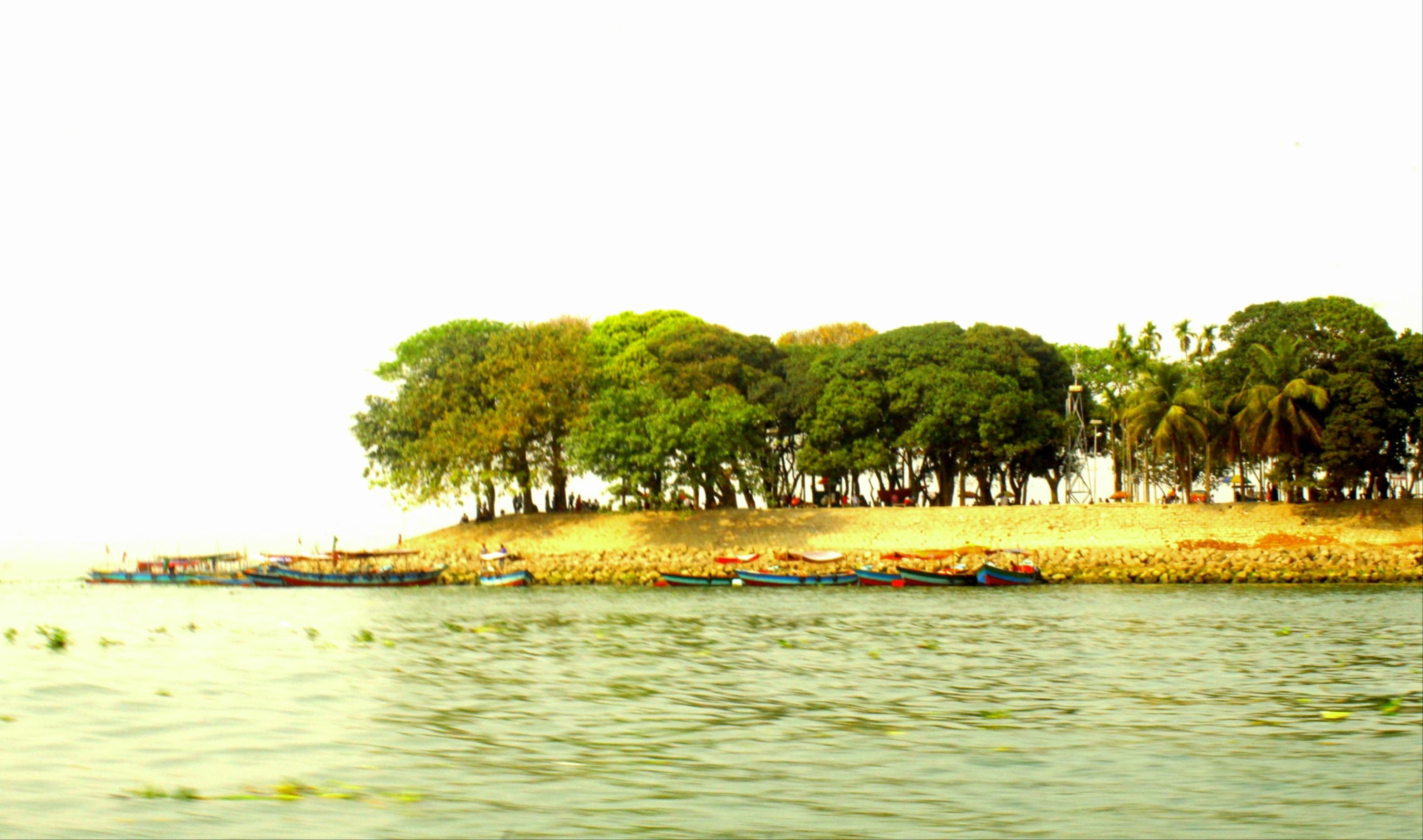
The confluence of three rivers in Chandpur, captured by local journalist Ashik Bin Rahim
Bangladesh is often described as a riverine country. This description, however poetic it may sound, is not merely a metaphorical embellishment; it is a vivid reflection of the country’s geographical, historical, and cultural reality. The land is interlaced with an intricate network of rivers, tributaries, canals, wetlands, estuaries, and seasonal watercourses, forming an integral part of the world’s largest active delta. Among these, the vast river systems of the Ganges, Brahmaputra, and Meghna stand out as the lifelines of Bengal, having transported immense quantities of silt from the Himalayan foothills over the course of more than a millennium, depositing fertile alluvium across the southern plains. This continuous natural process has produced the highly fertile land that underpins the region’s agriculture, economy, and human settlements. For the people of Bengal, rivers are more than geographical features; they are living entities that shape history, society, culture, and the economy. The story of Bengal cannot be told without the presence of its rivers, which function as both the veins and the lifeblood of its civilization.
From a geological perspective, the land of Bangladesh owes its very existence to these rivers. Each year, the Ganges, Brahmaputra, and Meghna river basins deliver massive loads of silt, sand, clay, and organic matter, gradually enriching the plains. During the monsoon, the swelling of these rivers spreads the sediment over riverbanks and surrounding fields, replenishing soil fertility and creating conditions ideal for agriculture. The evolution of Bengal’s agricultural civilization has been closely tied to this annual rhythm of flooding and silt deposition. Crops such as rice, jute, wheat, pulses, and vegetables thrive on this rich alluvial soil, and the seasonal inundation, while occasionally destructive, has historically maintained soil health, allowing successive generations to sustain a prosperous agrarian life. The very rhythm of planting and harvest has been orchestrated around the rise and fall of river waters, making human life and labor intrinsically synchronized with the waterways.
Rivers have historically played a role far beyond the mere provision of water for irrigation. They have been central to social and economic life. From ancient times, settlements were established along riverbanks, leveraging proximity to freshwater, fisheries, and navigable waterways. Archaeological excavations at sites such as Mahasthangarh, Wari-Bateshwar, and Paharpur suggest that thriving urban centers emerged along these riverine corridors, indicating that early inhabitants recognized the multifaceted value of rivers. In an era when overland transport was slow and difficult, rivers served as primary conduits for communication and commerce. They connected distant regions, facilitating trade and social interaction, and allowing cultural exchanges between communities that otherwise might have remained isolated. The rhythm of the river, its seasonal patterns, and its challenges have shaped not only livelihoods but also the social structures and belief systems of riverine communities.
As settlements grew along the banks, river mouths, docks, and confluences gradually became centers of commerce. Markets and towns developed at these strategic points, taking advantage of the ease with which goods could be transported. The emergence of these hubs created a complex economic network, linking rural production to regional trade and sometimes even international exchange. For instance, medieval Bengal witnessed vibrant riverine trade in commodities like salt, spices, textiles, timber, and agricultural produce, often flowing through the ports of Satgaon, Chittagong, and Dhaka. This network contributed not only to material prosperity but also to the social cohesion of communities whose lives revolved around the water. River-based trade shaped community hierarchies, facilitated cultural syncretism, and supported artisan guilds, particularly those involved in boat-making, weaving, and pottery.
During the medieval period, river transport became increasingly essential. Watercraft, ranging from small boats to larger trading vessels, carried agricultural produce, timber, textiles, salt, and spices across vast distances. Towns located along rivers gradually became commercial hubs, with river mouths and confluences serving as natural marketplaces. Here, goods from different regions converged, facilitating not only trade but also the exchange of ideas and culture. The economy, culture, and daily life of Bengal were intimately linked to these riverine networks, shaping patterns of settlement, labor, and social organization. Historical records suggest that Bengali merchants traded with ports in Burma, the Malabar Coast, and even distant regions like Java and Sumatra, all made possible through river-sea connectivity. These interactions introduced new commodities, ideas, and techniques into Bengal, enriching its local culture and crafts.
The river-centric economy gave rise to various specialized professions. Boatmen, fishermen, shipbuilders, dock workers, and merchants depended directly on the rivers for their livelihoods. Fishermen harvested the aquatic bounty, boatmen transported goods and passengers, and craftsmen built and repaired the vessels that made commerce possible. These occupations were more than economic roles- they constituted entire ways of life, defining daily routines, social hierarchies, and community identities. The rhythm of the river dictated the rhythm of life, influencing festivals, ceremonies, and even the content of local folklore and song. Traditional boat races during festivals such as Nouka Baich became both a celebration of aquatic labor and a cultural spectacle, reinforcing communal bonds and the social prestige of river-based occupations.
Fishing, particularly, has been central to sustenance and culture. Rivers, wetlands, and estuarine areas abound with fish species, providing essential protein and forming a vital part of the regional diet. Thousands of families rely on these waters, practicing generations-old fishing techniques. Beyond their economic value, fisheries foster cultural rituals, seasonal festivals, and social gatherings, creating a unique riverine culture. Among the species, the Hilsa fish holds a special place in Bengali life. During the Hilsa season, riverbanks bustle with activity: fishermen set out in boats, marketplaces brim with fresh catch, and communities engage in traditional celebrations. This cyclical practice is both an economic lifeline and a social ritual, reinforcing connections between humans, rivers, and community identity. Folkloric songs and proverbs emerged from these practices, embedding the river into the collective consciousness as a source of sustenance, inspiration, and cultural continuity.
Rivers have deeply influenced Bengali culture beyond mere sustenance. Folk songs, oral traditions, proverbs, and local customs frequently draw inspiration from the riverine environment. The Bhatiyali songs, in particular, are emblematic of life on the water. Boatmen sang these songs while navigating rivers, their voices blending with the sounds of the waves and wind. These songs narrated stories of labor, longing, and travel; they expressed emotions shaped by the solitary yet intimate experience of life on the water. Through their melodies, one can trace the deep psychological and social imprint of the river on Bengali identity. Other forms of river-inspired cultural expression include the lyrical traditions surrounding boat-making, seasonal festivals like Nabanna (the harvest celebration), and rituals tied to river deities, highlighting a spiritual as well as a practical connection to waterways.
In literature, rivers occupy a similarly symbolic role. Poets and authors have often used the river as a metaphor for time, life, and the inevitability of change. Just as the river’s currents may be tranquil or turbulent, human life too is subject to rhythms of peace, struggle, and renewal. The imagery of flowing water has long provided a lens through which writers reflect on memory, mortality, and the collective experience of communities living along these waterways. The Nobel laureate Rabindranath Tagore, for instance, frequently used the flowing rivers of Bengal to depict human emotion, continuity, and the intergenerational passage of culture. Rivers in Bengali literature are not static landscapes; they are living, moving characters, interacting with the people whose lives they shape.
One of the most remarkable aspects of riverine societies is their capacity for adaptation. Rivers are inherently dynamic: they change course, erode banks, deposit new land, and occasionally flood vast areas. Communities have developed strategies to live with these changes, whether by relocating to newly formed land, practicing floating agriculture, or adopting seasonal fishing patterns. The continual negotiation with these unpredictable natural forces has fostered resilience, flexibility, and ingenuity in Bengal’s riverine communities. This adaptive relationship exemplifies the long-term coexistence between humans and their environment, forming a foundation for the persistence of river-based settlements across centuries. Anthropological studies reveal that communities in the Haor wetlands and char lands have developed floating gardens and seasonal migratory patterns, practices that are uniquely suited to the challenges posed by the rivers’ annual flux.
Politically and administratively, rivers have historically held strategic importance. During ancient and medieval times, river networks facilitated troop movements, administrative oversight, and tax collection. Historians note that these waterways effectively unified diverse regions, enabling governance over expansive territories and fostering communication between communities speaking different languages and practicing distinct cultural traditions. Riverine transport thus supported not only commerce but also state formation, cultural cohesion, and administrative control. Evidence from inscriptions and chronicles of the Pala and Sena dynasties indicates that river navigation played a role in the maintenance of political alliances, taxation systems, and military logistics.
Under colonial rule, the economic significance of rivers intensified. British administrators recognized rivers as critical arteries for transporting agricultural produce, especially jute, rice, and timber, to ports for export. River ports emerged as economic hubs, linking rural production zones to global markets. This period saw the integration of local river economies into international trade networks, while also reshaping labor patterns and the social organization of riverine communities. Many river ports, such as Narayanganj and Chandpur, became thriving commercial centers where goods from deep inland were exchanged for imported items, creating a microcosm of global trade in the heart of Bengal.
Despite their numerous benefits, rivers have also posed challenges. Riverbank erosion has been a persistent problem, displacing thousands of families each year. Many affected communities relocate to newly formed chars, establishing settlements on fragile land and gradually reclaiming it for agriculture. These efforts reflect human resilience and adaptation, but they also underscore the precariousness of life in a riverine environment. Scholars note that such relocations often entail re-establishing social networks, negotiating new land rights, and adapting agricultural practices to newly deposited alluvial soil.
In the contemporary era, Bengal’s rivers face unprecedented threats. Industrial effluents, plastic pollution, illegal encroachments, sand extraction, and other human interventions have disrupted natural flows. Many rivers are losing navigability, water levels are declining, and biodiversity is under threat. Climate change compounds these issues: heavier rainfall, more intense flooding, and rising sea levels are altering river courses and increasing salinity, particularly in coastal zones. These environmental pressures directly impact agriculture, fisheries, and the livelihoods of millions who depend on riverine resources. Recent studies indicate that declining Hilsa populations and increasing riverbank erosion are altering the socio-economic landscape, threatening traditional livelihoods and cultural practices.
River conservation has thus become a pressing national and ecological priority. Sustainable management practices- preventing encroachment, controlling pollution, maintaining navigability, and engaging local communities- are essential to preserve these waterways. Protecting rivers is not only an environmental necessity; it is a cultural and historical imperative. Rivers carry the memory of communities, the rhythm of traditional life, and the heritage of centuries of interaction between humans and nature. The songs sung along riverbanks, the stories told, the markets and docks- all constitute a living cultural landscape that rivers sustain.
Bengal’s rivers are, in essence, custodians of history and culture. Their ceaseless flow mirrors the continuity of civilization itself, encompassing the experiences of past generations, the challenges of the present, and the hopes of the future. The civilization that has flourished along these rivers is a unique testament to human ingenuity and adaptability, an example of harmonious coexistence between people and the environment. Ensuring the survival of these rivers is thus crucial for preserving this legacy and for securing a sustainable future for generations to come.
(About the Author: Ahmed Shahed is a professional journalist and research-oriented writer from Bangladesh)